


24/11/2026 0 Comments
Why Professional Fire Alarm Installation in London Is Essential for Property Safety
A fire can develop unexpectedly, putting people, buildings, equipment and valuable assets at risk.
Whether it is a residential property, office, retail unit or commercial building, having a suitable fire detection system is an important part of maintaining a safe environment.
Professional Fire Alarm Installation London services help property owners choose and install systems that suit their building's layout, occupancy and fire safety requirements. A properly planned installation can support early fire detection, provide timely warnings and help occupants respond appropriately when an emergency occurs.
For businesses and property owners across London, understanding how fire alarm installation works and what to consider before choosing a system can make a significant difference to overall fire safety.
How Does Professional Fire Alarm Installation Work?
Fire alarm installation involves assessing a property, identifying suitable detection equipment and installing the necessary devices to provide an effective warning system.
The process generally begins with an assessment of the building's size, layout, usage and potential fire risks. Based on these factors, a suitable system is selected and installed by competent professionals.
Depending on the property requirements, the installation may include:
Smoke and heat detectors
Manual call points
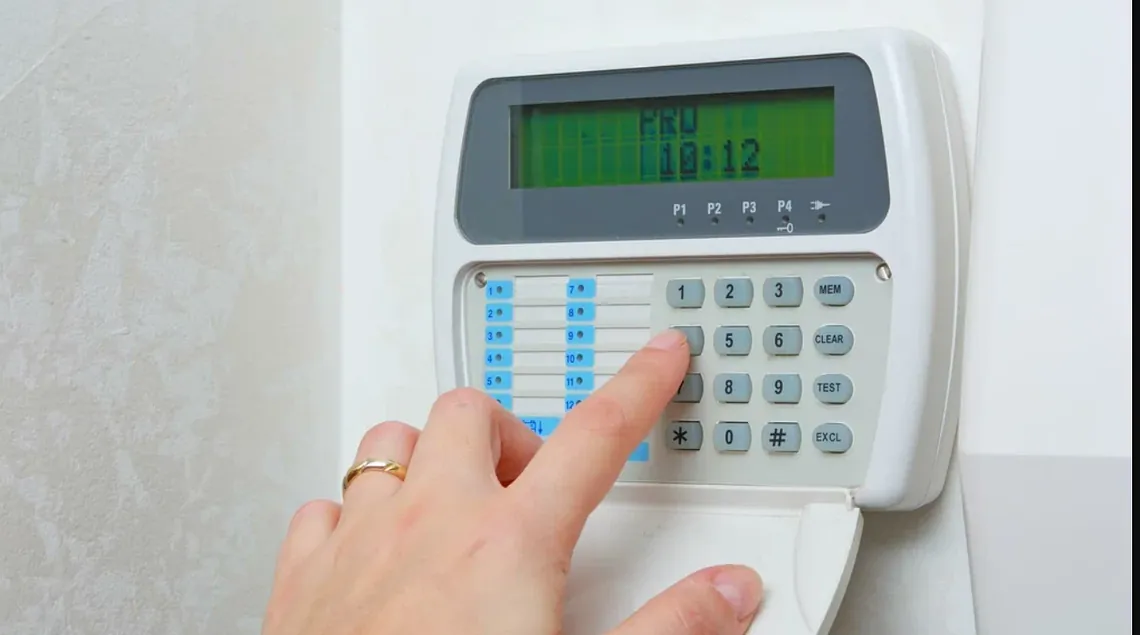
Fire alarm control panels
Audible sounders and visual warning devices
Connected detection devices
Appropriate system wiring and power supplies
After installation, the system should be properly tested, commissioned and handed over with relevant documentation. This helps ensure that the equipment operates as intended and that the responsible people understand how to use it.
Three Ways Professional Fire Alarm Installation Improves Property Safety
1. Earlier Detection of Potential Fire Incidents
One of the main purposes of a fire alarm system is to identify signs of fire and alert occupants as early as possible.
Smoke detectors and heat detectors can identify different indicators of a developing fire, depending on their technology and positioning. When a device detects a relevant condition, it communicates with the fire alarm system to activate the appropriate warning signals.
For offices, shops, residential buildings and other occupied premises, early warnings can provide valuable time for people to follow evacuation procedures.
Professional installation helps ensure that detection devices are positioned according to the building's requirements rather than being placed without considering coverage and potential risks.
2. Suitable Systems for Different Types of Properties
Not every building has the same fire safety requirements. A small office, a multi-storey commercial property and a residential building may require different fire detection arrangements.
Choosing the right system depends on factors such as building size, internal layout, occupancy levels and the property's fire risk assessment.
Some commonly used fire alarm systems include:
Conventional Fire Alarm Systems: These systems divide a building into zones, helping users identify the general area where an alarm has been activated.
Addressable Fire Alarm Systems: These systems identify individual devices through unique addresses, helping locate the specific detector or call point that has activated.
Wireless Fire Alarm Systems: These systems use wireless communication between compatible devices and can be useful in buildings where conventional cabling may be difficult.
Selecting an appropriate system helps property owners establish a fire detection arrangement that suits their premises and operational requirements.
3. Better Emergency Awareness and Evacuation Support
A fire alarm system does more than detect smoke or heat. It also provides an important warning mechanism that helps occupants recognise a potential emergency.
Audible sounders and visual warning devices can alert people in different areas of a building. This is particularly important in larger premises where occupants may be working in separate rooms, corridors or floors.
A properly designed system should support the building's overall fire evacuation strategy. Staff and occupants should also understand what the alarm sounds mean, where the escape routes are located and what actions they need to take.
For commercial properties, combining suitable fire detection equipment with clear emergency procedures can help improve preparedness.
What Should Property Owners Consider Before Fire Alarm Installation in London?
Before arranging Fire Alarm Installation London, property owners should evaluate several important factors to identify a suitable solution.
Building Layout: Consider the number of floors, rooms, corridors and occupied areas. The building's layout influences detector positioning and overall system design.
Fire Risk Assessment: Understand the potential fire hazards and the level of protection required for the premises.
System Type: Decide whether a conventional, addressable or wireless system is appropriate for the property.
Installation Expertise: Choose a competent installer with relevant experience in fire detection and alarm systems.
Testing and Commissioning: Ensure the installed equipment is tested and commissioned before the system is put into service.
Maintenance Requirements: Establish a suitable inspection, testing and servicing arrangement to keep the system in effective working order.
These considerations help property owners make informed decisions and avoid choosing equipment that may not be suitable for their premises.
Why Is Regular Fire Alarm Maintenance Important?
Installing a fire alarm system is only one part of maintaining fire safety. The equipment must also be tested and maintained to help ensure that it continues to function correctly.
Dust accumulation, damaged wiring, depleted batteries and faulty detectors can affect system performance. Regular checks can help identify these issues before they create larger problems.
Property owners and responsible persons should establish appropriate testing and servicing arrangements. They should also maintain records of inspections, faults, false alarms and maintenance activities.
Following the relevant recommendations of BS 5839 helps support the ongoing reliability of fire detection and alarm systems.
How Can Home Security Systems UK Support Your Fire Safety Requirements?
Choosing a suitable fire alarm solution requires an understanding of the property's structure, usage and protection requirements.
Home Security Systems UK provides security and fire alarm solutions for properties across London. Whether you are considering a new installation or reviewing an existing fire alarm arrangement, selecting suitable equipment and planning the installation carefully are important steps.
When exploring Fire Alarm Installation London, property owners should consider their building's requirements, the type of detection system needed and the ongoing support available.
A well-planned fire alarm system can contribute to a safer property by supporting early detection, effective warnings and better emergency preparedness.
The Bottom Line!
Fire safety should be an important consideration for every property owner and business operator. A suitable fire alarm system helps identify potential fire incidents and alerts occupants so they can follow the appropriate emergency procedures.
Professional Fire Alarm Installation London involves more than fitting detectors and sounders. It requires suitable system selection, careful positioning, proper commissioning and ongoing maintenance.
By working with Home Security Systems UK, property owners can explore fire alarm solutions that match their premises and security requirements.
Frequently Asked Questions
1. Why is professional fire alarm installation important?
Professional installation helps ensure that fire detection equipment is selected and positioned according to the property's layout and requirements. It also supports appropriate testing, commissioning and system handover.
2. Which type of fire alarm system is suitable for commercial properties in London?
The right system depends on the building's size, layout, occupancy and fire risk assessment. Conventional, addressable and wireless systems are available, but a competent fire safety professional should assess which arrangement is appropriate.
3. How often should a fire alarm system be maintained?
Fire alarm systems should undergo regular testing and maintenance in line with the applicable standards, manufacturer recommendations and the property's requirements. For non-domestic premises, BS 5839-1 provides relevant guidance on inspection, testing and servicing.
4. Can wireless fire alarm systems be installed in existing buildings?
Yes. Wireless fire alarm systems can be suitable for certain existing buildings, particularly where installing new cables may be difficult or disruptive. However, suitability depends on the building layout, system design and wireless signal conditions.
5. What should I check before choosing a fire alarm installation company in London?
Check the company's experience, relevant industry accreditation, installation expertise, understanding of applicable British Standards and ability to provide commissioning documentation and ongoing maintenance support.
Comments